
The RYME Blog

Space boundaries, when 'no' lives in your body first
Most boundary advice tells you to say no. But if your body never had space to begin with, the word will not hold. Here is what space boundaries actually are, and why they are a nervous system thing first.

The Skill Nobody Taught You: How to Hear What Your Body Is Actually Saying
Most high-functioning women are excellent at tracking everyone around them. Their team, their kids, their partner. What nobody taught them to track is themselves. That capacity has a name.

You're Not Anxious. You're Hypervigilant. (There's a Difference.)
You're not falling apart. Your nervous system learned to stay alert. Here's what hypervigilance actually is - and why it's not the same as anxiety.
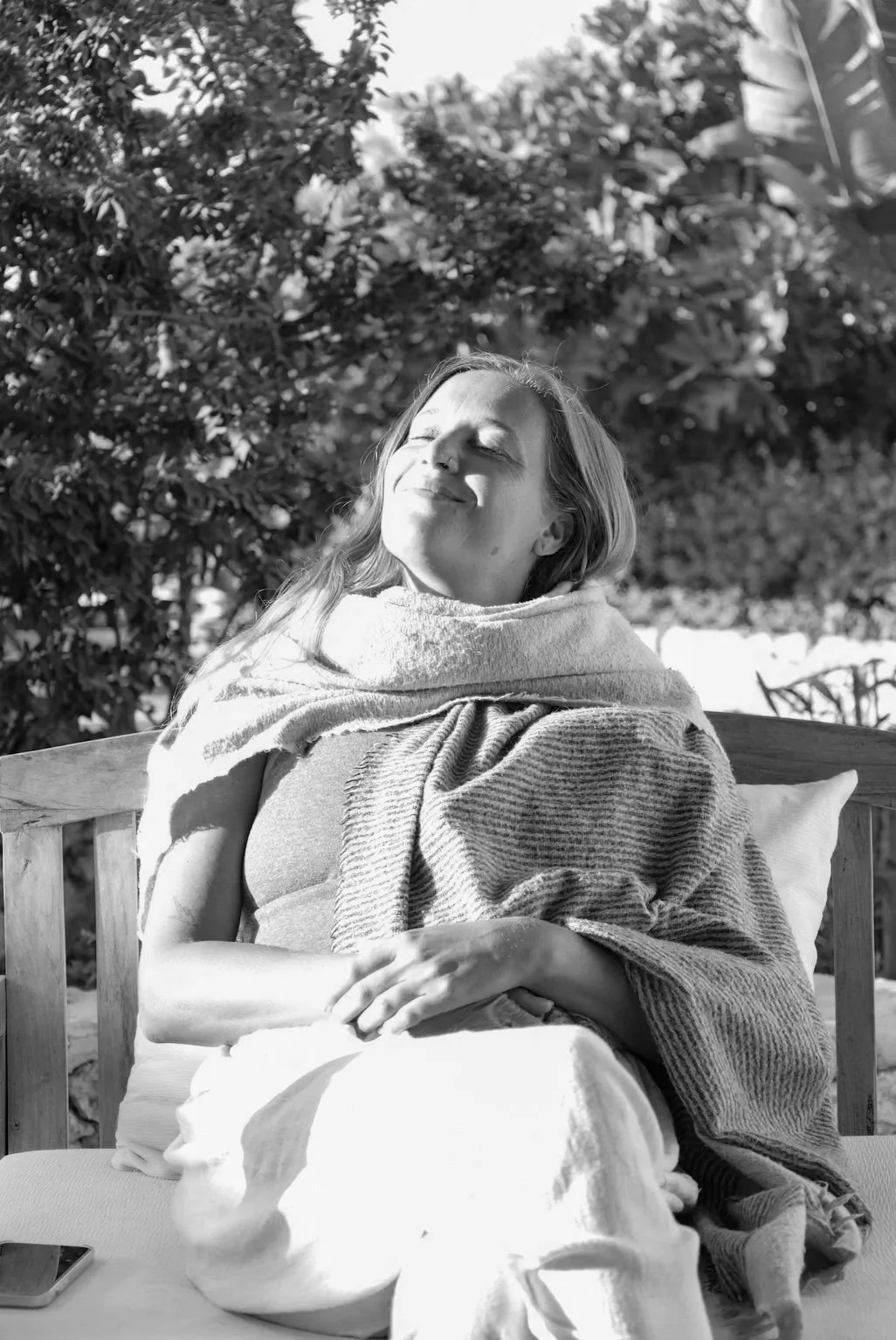
Calm on the Outside. Wired on the Inside.
You look fine. Your jaw aches by evening. Your mind runs lists at midnight. You lie down and your body still hums. This is what high-functioning anxiety actually looks like. And why it's so easy to miss.
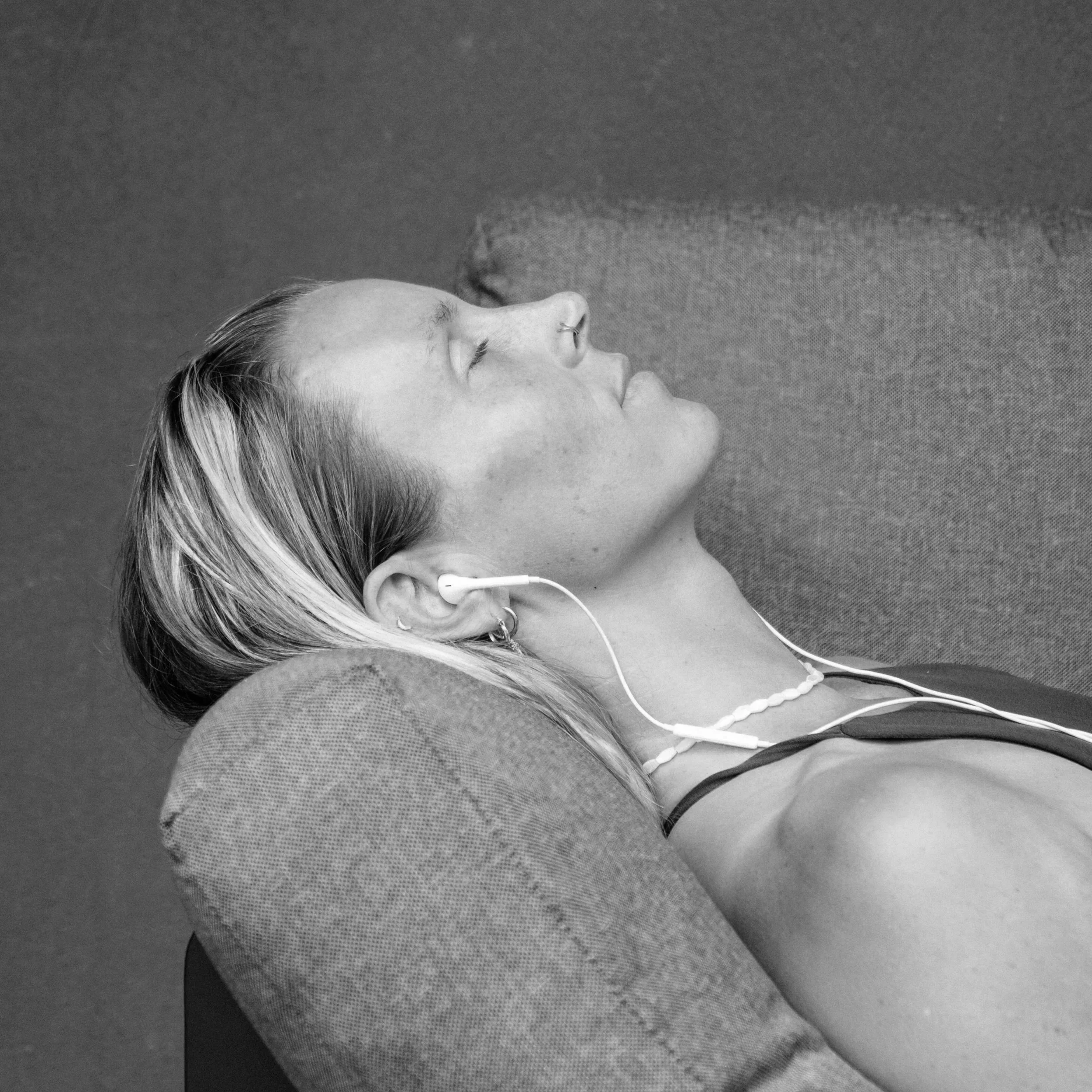
Nervous System Regulation: What It Actually Means (and Why It Changes Everything)
Nervous system regulation is everywhere right now. But most content either oversimplifies it or buries it in jargon. Here's what it actually means — in plain language — and what you can do about it today.
What Is Somatic Coaching? (And How It's Different from Talk Therapy)
You can name your patterns. You understand your triggers. And yet - your body still reacts the same way. That gap between what your mind knows and what your body does is exactly where somatic coaching lives.

A Story from a RYMER -
On the RYME retreat in Morocco, I kept falling off my surfboard because I couldn’t plant my feet. I’d stand on my tippy toes without realizing it. Later I saw the metaphor clearly. I had been navigating life the same way - tiptoeing around, scared to disturb anyone’s peace. It took time and practice, but I started planting my feet when I walked, talked, and took up space. navigate life grounded in my own space now.

How early stress shapes the brain - and how safety rewires it
Many high functioning women carry a nervous system that never truly learned what consistent safety feels like. Research shows that harsh or unpredictable parenting can shape emotional regulation circuits in the brain, increasing vigilance and reactivity. What we often label as anxiety, perfectionism, or “being too sensitive” is frequently adaptation. At RYME, we work methodically to rebuild safety in the body -through repetition, regulation, and relational support- so survival wiring can soften into clarity, connection, and ease.
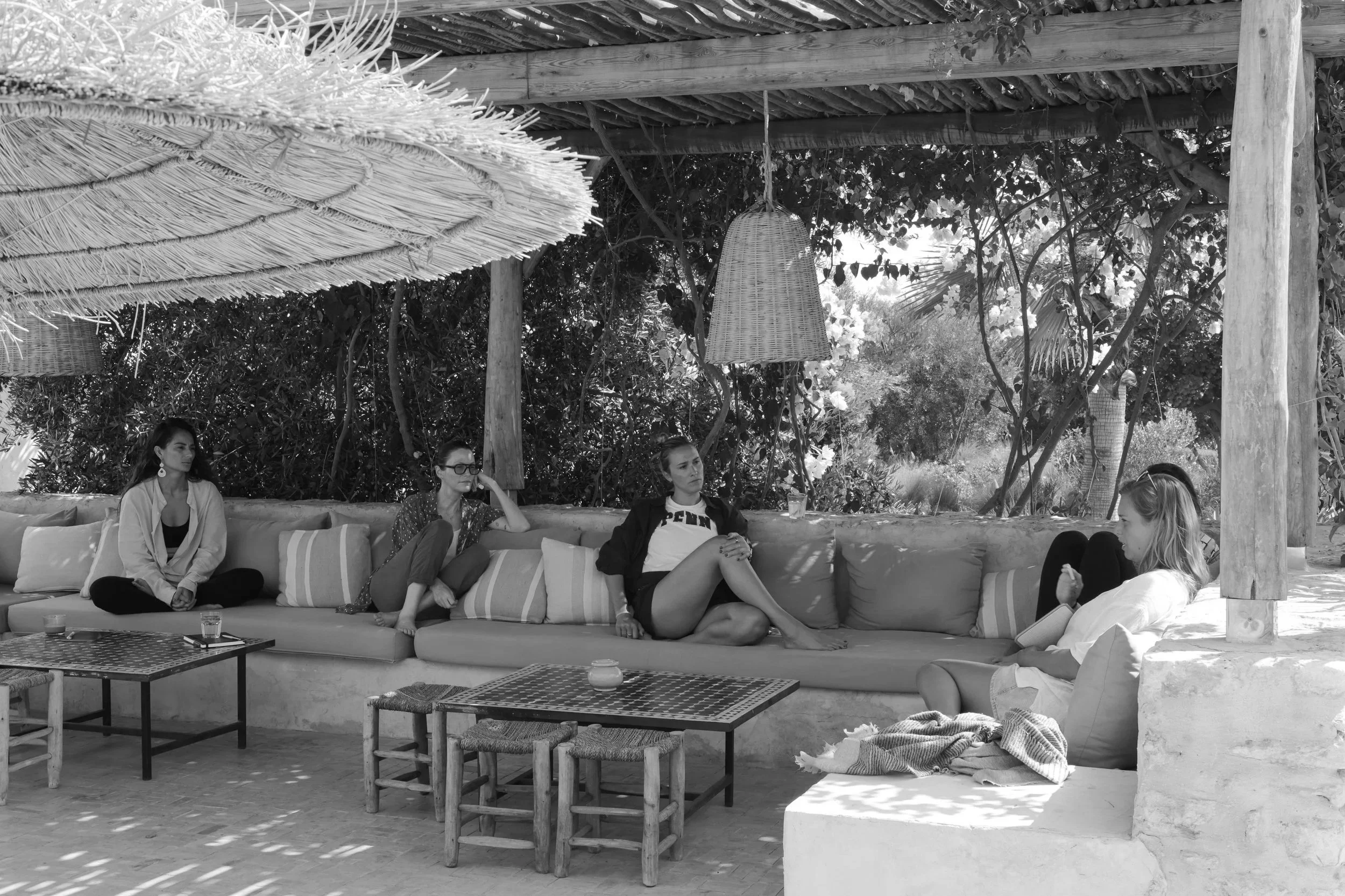
The RYME Retreat Daily (non) Schedule
RYME retreats don’t follow a rigid daily schedule on purpose, because safe slowing down happens when your nervous system isn’t pressured to “keep up” or do it perfectly.
Instead, we hold you in a trauma-aware container with micro-steps, choice, and spacious support so you can soften, receive, and come home to yourself.
Why You Might Need RYME Coaching
(And why understanding alone isn’t enough)
Most of us were never taught how our nervous system works. We learned how to think. We learned how to understand. We learned how to cope.
But no one sat us down and explained how to feel safe in our body, how to recognize stress signals early, or how to come back to balance when life pulls us out of it.
And that matters more than we think.

The Coaches Behind RYME
Meet RYME co-founders Hanna Attafi and Loes Hurkx. Learn how their somatic approach, playful guidance, and trauma-aware coaching help clients feel safe and connected.

The Gentle Side of EMDR: Healing at the Speed of Safety
This piece explores why EMDR works best when your system feels safe, steady, and supported, not rushed or pushed.
Learn how RYME Coaching’s approach with online EMDR and intentional pacing + nervous-system regulation creates the conditions for real, lasting change.

Everything We Do Is Intentional
This blog is about the quiet power of doing things on purpose, choosing rhythm, safety, and presence instead of rushing or forcing.
It’s a look at how RYME’s intentional guidance helps your system feel held enough to open, breathe, and return to itself.

POV: RYME Coaching Client
A real client’s story of discovering how body-and-mind work together in RYME, from tension, burnout and anxiety to nervous-system regulation, inner calm, and real self-understanding. This post shows how healing begins when we finally feel seen, met where we are, and guided back into safety and presence.

People-Pleasing Isn’t Who You Are..
If you’ve ever wondered why you smile, say yes, or soften yourself just to keep things calm, this piece helps you understand the deeper reason behind it.
It’s a deeper look at the fawn response, and what it feels like to finally come back to yourself.